Is Bladder Leak Irreversible After Childbirth?
Postpartum Urinary System Incontinence: Causes And Treatments It can turn up in different methods and might be activated by different circumstances. Some menopausal ladies might develop impulse incontinence, experiencing constant, nearly tempting prompts to urinate. Each type of incontinence can occur on its own or together in what's called combined urinary incontinence. Prior to the distribution of the child's head, an incision might be made by the physician in the skin and, often, likewise in the muscle mass at the bottom section of the vagina to enable more space for the child to provide. This cut, called (midline) episiotomy, is supposed to stay clear of subordinate tearing of the vagina or rectum as the baby delivers. When gynecologists see females for troubles of incontinence, we are not amazed to discover the most extreme troubles typically in those ladies that had many youngsters or who provided large children. Recently doctors began exercising the details of these connections and are trying to find the specific reasons some women go on to develop urinary incontinence and various other females never ever have this problem. Urinary incontinence takes place to more than one-third of women during their initial maternity, and greater than three-quarters during a second or third maternity. Studies have actually located it's more common when comprehensive tearing takes place throughout birth. High, moderate and low risk of bias was taken into consideration to be existing in 1, Have a peek at this website 26 and 4 researches specifically. Risk-of-bias products with the most affordable rankings were 8 and 9, and risk-of-bias things with Urethral insert the greatest rankings were 1 and 3. When you limit water consumption, your pee becomes much more focused, which can irritate the bladder and increase the urge to go. Remaining well-hydrated helps keep your bladder lining healthy and may make it simpler to take care of leakages. If you consume recognized bladder irritants, consuming additional water can help weaken their impacts. Leaking urine when you laugh, cough, sneeze, or bend over to pick up your infant-- or perhaps simply a continual dribble when you the very least anticipate it. Postpartum urinary system incontinence may not be a warm child shower subject, but dripping pee after childbirth is an usual experience that impacts concerning one in 3 individuals postpartum. Before prescribing any type of therapy for your incontinence signs and symptoms, Dr. Roberts carries out a physical exam, in some cases consisting of tests and testing concentrated on your bladder function. The detailed layering of receptive muscles, connective cells, and anxious input interact, giving air-tight closure of the urethra and anorectum - maintaining components secured securely inside. The intricate split hammock of muscular tissues spanning inside the bony pelvis, consisting of the levator ani, coccygeus, and round external urethral sphincter, work in collaborated unison, giving essential assistance. This permits the bladder, uterus, rectum, and tiny intestinal tract to keep proper physiological alignment versus gravitational forces despite dynamic body placing changes. Simultaneously, this energetic sling stabilizes hip biomechanics and the back spinal column, enhancing reliable tons transfer down the kinetic chain with movement.
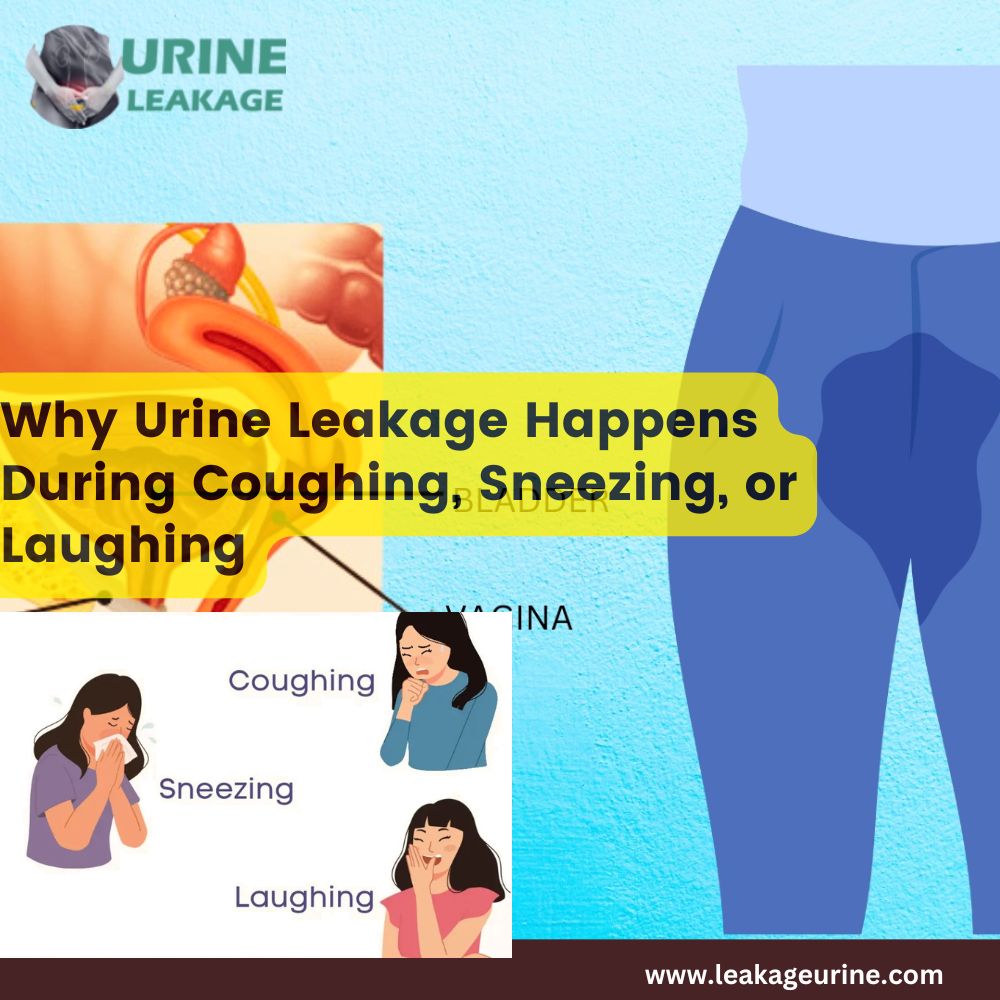
- You might experience this loss of bladder control while chuckling, sneezing, coughing or performing a exhausting activity, and it's very common after delivering.
- Others may only experience postpartum urinary incontinence only throughout the night, often called nocturnal incontinence.
- An absence of level of sensitivity and some loss of control are likely as you recover.
- If you have actually attempted other therapy options without seeing a renovation in your signs and symptoms, it might be time to consider surgical procedure.
- Otherwise, you could wind up with dehydration or an unpleasant UTI.
- Recurring mild mobilization therapy also eliminates remaining mark tissue or bonds, entrapping nerves and compromising recovery.
Therapies For Postpartum Urinary System Incontinence
As you start to feel much less tender, start with mild pelvic floor launches and contractions. Gentle, regular breathing exercises will enhance control and connection to the area. Your doctor or registered nurse might ask you to keep a diary for 2 to 3 days to track when you vacant your bladder or leak urine.What does a postpartum bladder prolapse seem like?
you have throbbing pain in your pelvic region or back. you have problem going to the toilet. You may require to pee a lot, have problem emptying your bladder or bowel, or urinate unintentionally.
Pelvic Floor Physical Therapy
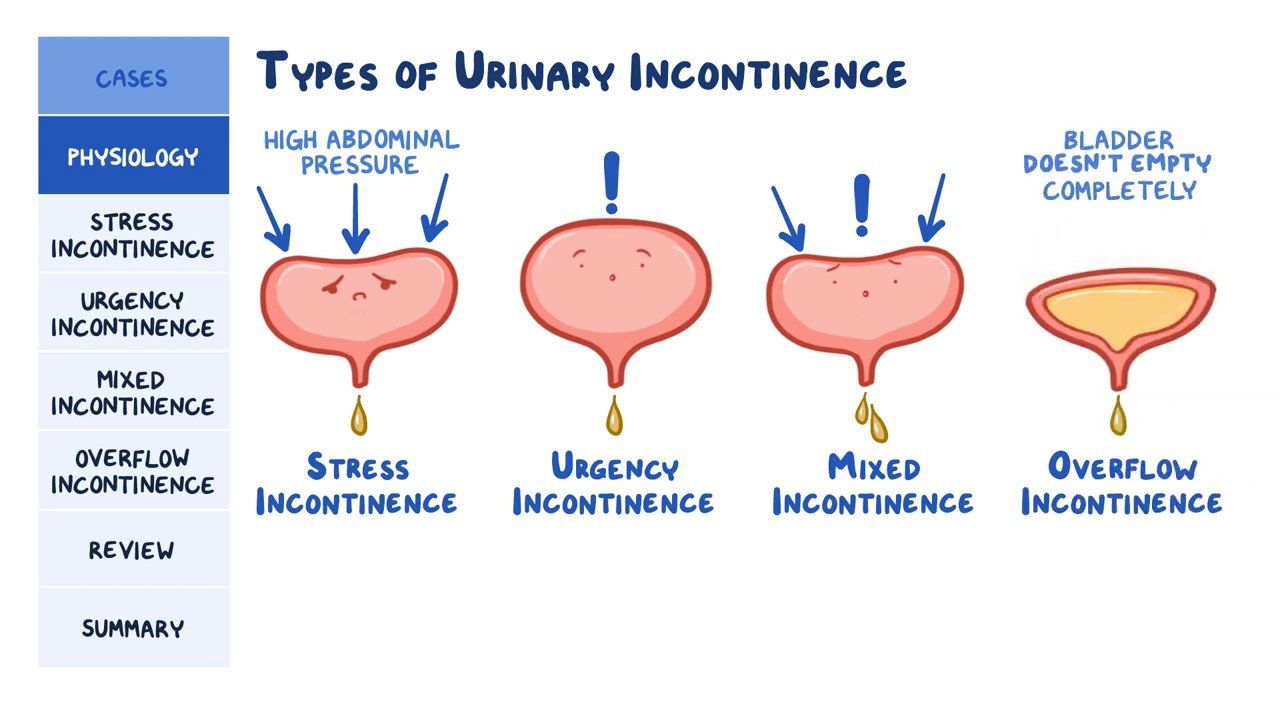
You and your physician or registered nurse will work together to create a treatment plan. If these steps do not boost your symptoms, your doctor or registered nurse might suggest various other treatments depending on whether you have tension incontinence or advise urinary incontinence or both. The majority of problems with bladder control while pregnant disappear. after giving birth when the muscle mass have actually had time to heal.Root Causes Of Postpartum Urinary System Incontinence
Both maternity and giving birth placed a strain on these muscle mass, often resulting in short-term or long-lasting loss of bladder control. Pelvic fitness instructors are genital tools made to assist you strengthen and collaborate your pelvic floor muscles by supplying real-time psychophysiological feedback. Utilizing a pelvic trainer throughout pelvic flooring muscular tissue training provides you instantaneous feedback so you can see and feel the strength and quality of your muscle contraction. This support can aid guide your pelvic exercises and improve symptoms of urinary incontinence. Postpartum urinary incontinence is common, however it's not something you simply need to deal with. Gentle pelvic floor stretches, targeted workouts, and way of living changes can aid enhance bladder control after birth.